The Quiet Power of Free Play: Why Unstructured Time Matters More Than Ever
In a calendar packed with clubs, classes, and screens, free play has become one of childhood's most undervalued ingredients. The science on why kids need it is clearer than ever.
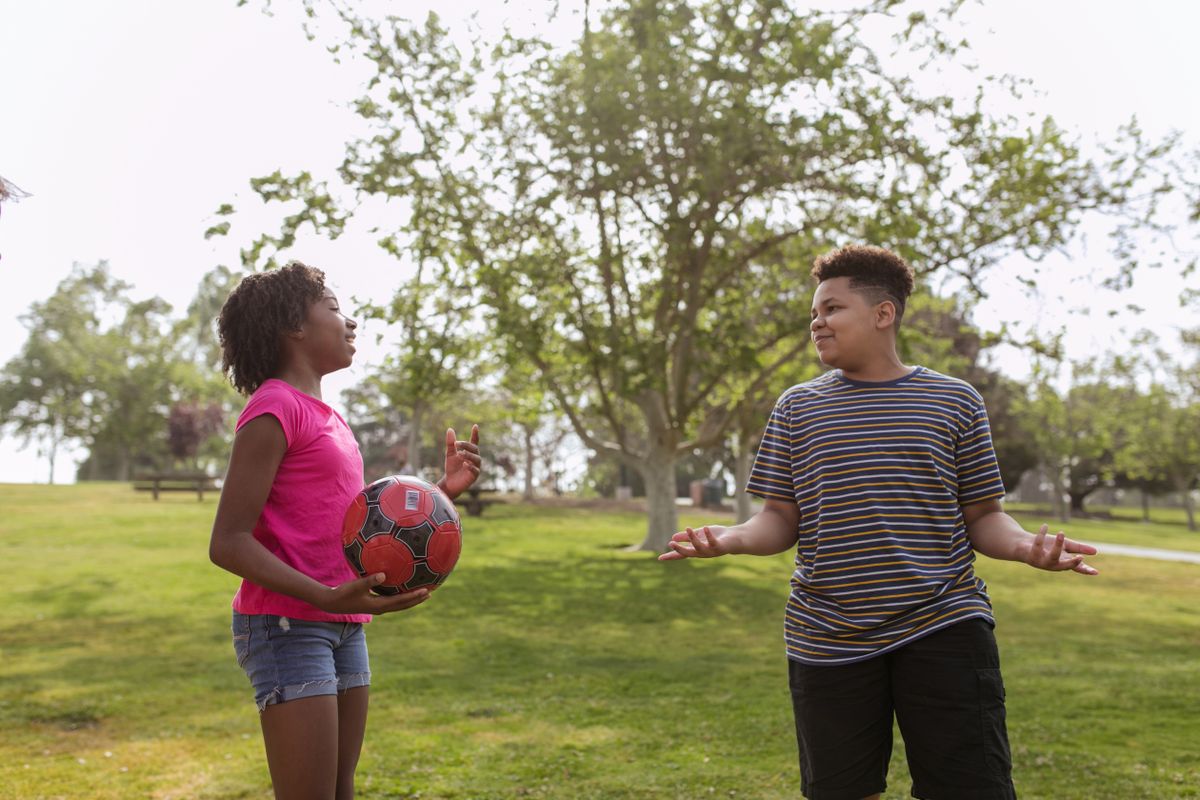
Ask any developmental psychologist what children most need more of in 2026, and you will likely hear the same two words: free play. Not coached sport, not enrichment classes, not adult-organised activities with rules and goals — but the loose, unstructured, child-led play that has shaped every generation of childhood until very recently.
The decline is well documented. Across the UK, US, and most of the developed world, the average amount of time children spend in unsupervised, self-directed play has fallen dramatically over the past four decades. School playtime has shortened. After-school hours have filled with structured activities. Outdoor roaming distances — how far children are allowed to wander from home — have shrunk to a fraction of what they were a generation ago. The shift is so widespread that many parents today have never seen what a play-rich childhood actually looks like in practice.
Why does this matter? Free play is not idle time. It is one of the most cognitively and emotionally demanding things a child can do. When children invent games, negotiate rules, manage conflict, take physical risks, and recover from small failures without adult intervention, they are building the exact skills — executive function, self-regulation, social competence, creativity — that schools and employers say they value most. Researchers including Peter Gray and Jonathan Haidt have argued, with increasing public support, that the rise in childhood anxiety tracks closely with the fall in independent play. Children who never get to test themselves in small, safe ways often struggle to test themselves in larger ones later.
The good news is that protecting free play does not require much. It requires letting your child be bored sometimes, without rushing in with a screen or a structured activity. It means saying yes to the muddy garden, the cardboard box, the trip to the park with no agenda. It means letting siblings or friends work out their own disagreements when they can, and resisting the urge to choreograph every minute of a playdate. Where it is safe, it means letting older children walk to the corner shop, ride to a friend's house, or play in the front garden without supervision — small doses of independence that compound into confident teenagers.
Free play is not a luxury or a nostalgia item. It is, in the most literal sense, how children grow themselves. In a year when parents have more tools, apps, and curated experiences available than at any point in history, the most powerful gift you can give your child is also the cheapest and oldest: time, space, and the trust to use them.