Back-to-School Nerves, or Something More? A Parent Guide to the First Weeks
Almost every child wobbles at the start of term. Knowing which wobbles pass on their own — and which are worth a conversation with your GP or the school — makes the difference.
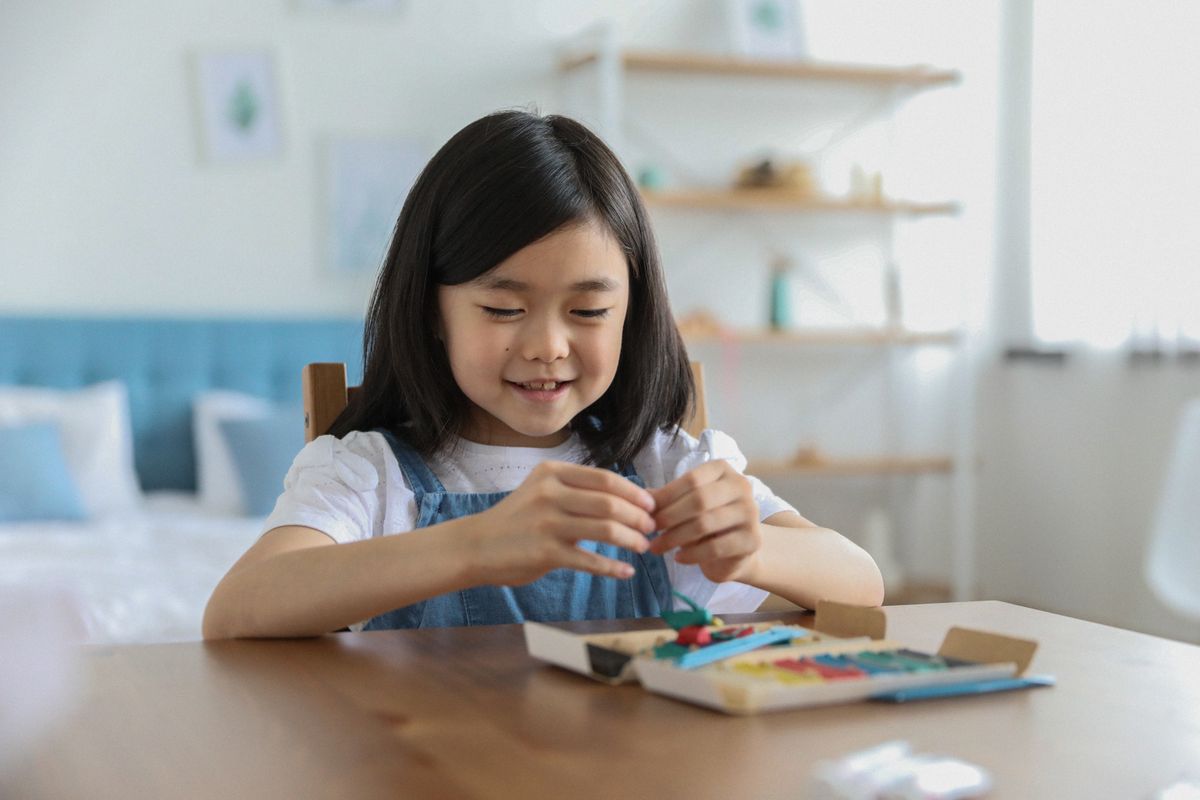
Almost every child is unsettled by the start of a school year. New teacher, new classroom, new pecking order in the playground, and the sudden end of a summer where nothing much was required of them. Stomach aches on the first morning, clinginess at the gate, a burst of tears over something trivial at bedtime — these are ordinary, and for most children they fade over the first week or two as the unfamiliar becomes routine.
What parents find harder is knowing where ordinary ends. The honest answer is that there is no clean line, but there are useful signals. Duration is the most reliable one: nerves that ease as the days pass are behaving as nerves should. Distress that is still at the same intensity three or four weeks in, or that is getting worse rather than better, is worth paying closer attention to. Breadth matters too. A child who is anxious about school but still eating normally, sleeping reasonably, and enjoying their weekends is in a different position from one whose worry has begun to spread into everything.
The changes worth noticing are mostly changes from that particular child's own baseline, not from some general standard. Sleep that has become difficult when it never was. A sustained loss of interest in things they reliably used to enjoy. Withdrawal from friends they were close to in July. Physical complaints — headaches, stomach aches — that appear on school mornings and reliably vanish at the weekend. Any expression of hopelessness, or of not wanting to be here, should always be taken seriously the first time it is said, however casually it comes out.
If you are unsure, the two doors are the school and your GP. Class teachers see your child in a context you never do, and often notice things you cannot; a short, non-alarmed email asking how they seem in class is a reasonable and useful first step. Your GP or paediatrician is the right route for anything persistent, and the sooner that conversation happens the more options tend to be open. Nothing in this article is a substitute for either.
What helps, meanwhile, is unglamorous and well evidenced. Sleep, daily movement, time outdoors, and a predictable routine all act as genuine buffers rather than nice-to-haves. So does at least one stable adult relationship in which the child feels properly known — that single factor turns up again and again in the research on resilience. And so does unstructured time with friends, which is where children rehearse the social skills that make school survivable.
Perhaps the most useful thing to hold on to is that mental health is not the absence of difficulty. Children are supposed to feel nervous, disappointed, embarrassed and frustrated; learning to move through those states is a large part of what childhood is for. The aim is not a child who never wobbles. It is a child who knows, without having to ask, that there is someone to wobble towards.